THE EDIT
Issue 05 | November 2026
A Place for Company.
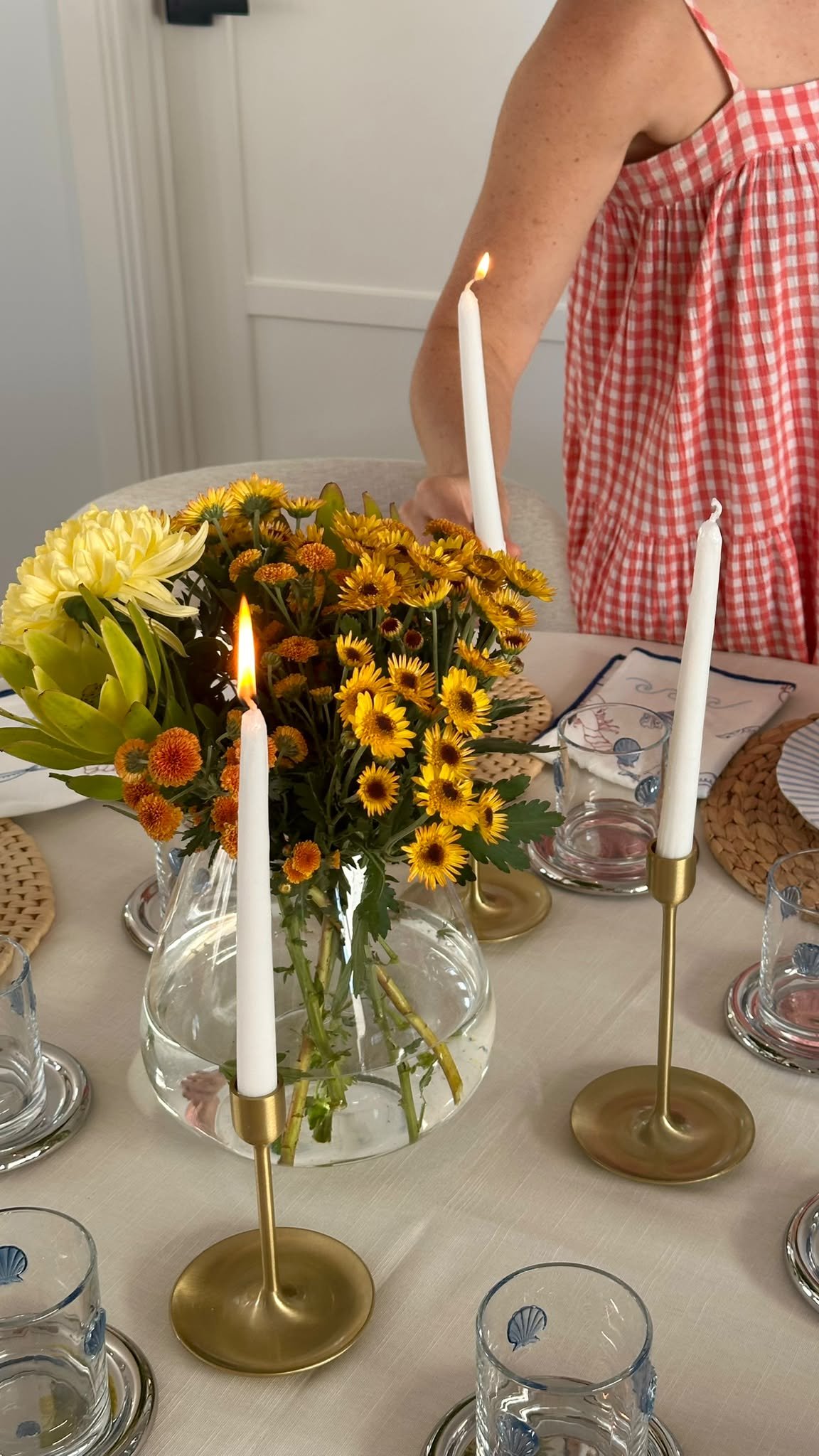
There's something about this time of year that makes me particularly excited about entertaining at home.
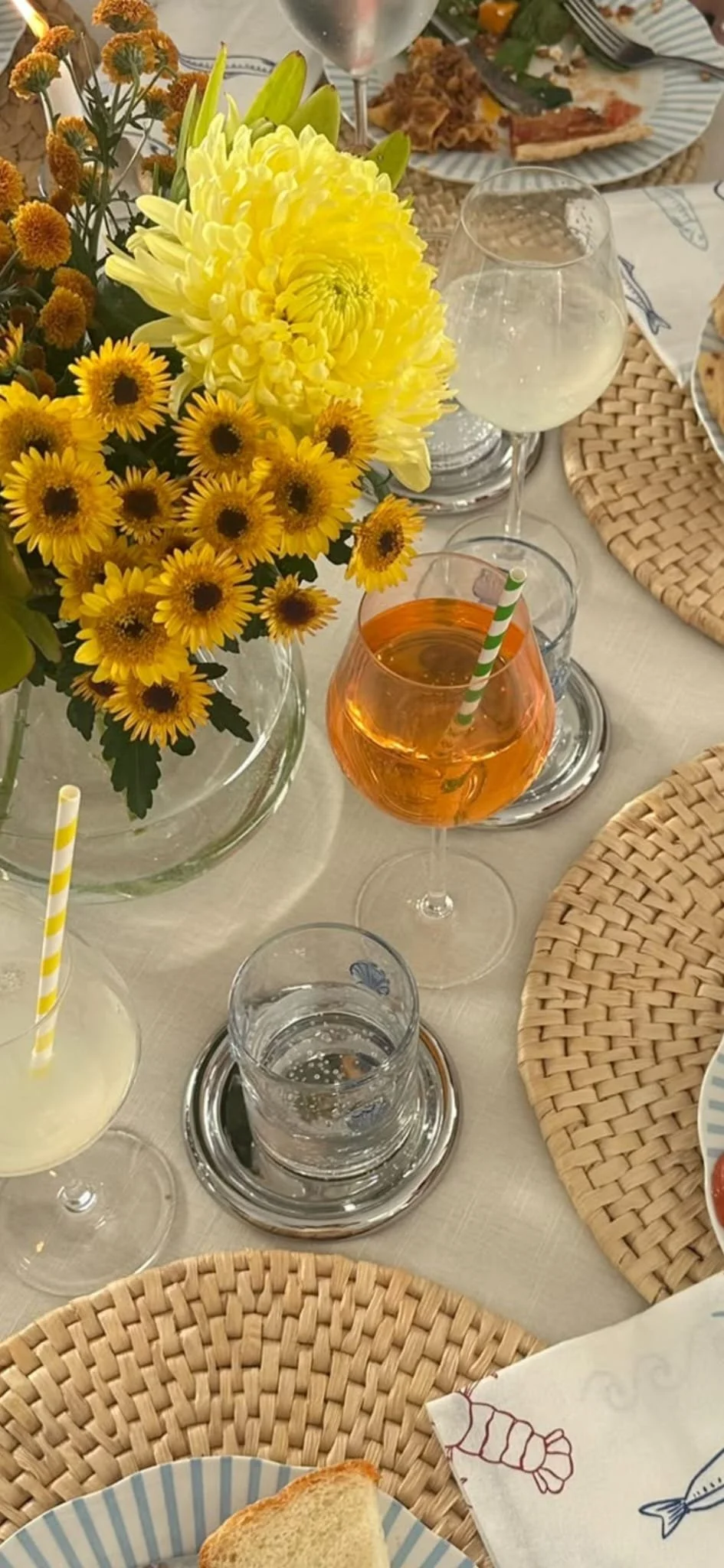
The longer evenings, lunches that stretch well into the afternoon, opening up the doors to the garden and having friends and family around the table.
I've always loved entertaining, and I'm equally interested in the spaces we create to accommodate it. Not necessarily the most formal or elaborate settings, but homes where the layout works beautifully when you have people over.
Consider open-plan living; I love the connection between a generous kitchen, dining and living area, particularly when those spaces open onto the garden or an outdoor entertaining area.
But I also think there's a difference between having one large open space and having an open-plan home that's been designed particularly well.
The positioning of the kitchen, the proportions of the dining area, furniture arrangements, lighting, circulation and the connection to outside all influence how the space works, both when it's just the family at home and when you're entertaining twenty people.
This month, we're exploring the design of entertaining spaces, sharing five details we consider when planning them, and introducing a beautiful Australian-made piece that I'd happily have on my own dining table.
I hope you enjoy this month's edition.
Amy x
IN THIS EDITION
01 The Story
02 Five design details
03 Source of the month
04 Design advice
05 Notes from the Journal
01 THE STORY
The Art of Entertaining at Home.
I love the idea of a home that can accommodate a wonderful dinner party just as comfortably as an ordinary Tuesday evening.
And I think that's one of the things open-plan living can do particularly well.
When you're entertaining, people naturally tend to move between the kitchen, dining table and living areas. Someone is preparing food, others are having a drink, and there are usually a few conversations happening at once.
Having those spaces connected allows everyone to be part of the occasion, without necessarily having to be doing the same thing.
But when we're designing an open-plan space, there's quite a lot to consider beyond simply removing walls or making the room as large as possible.
For example, I love a beautiful kitchen island, but I also want to think about what happens when guests arrive. Where do they naturally gather? Is there enough room to move comfortably around the island? Does the dining table sit in a position that makes serving and clearing practical?
And what about the living area? Can people move between the different spaces without interrupting those who are seated?
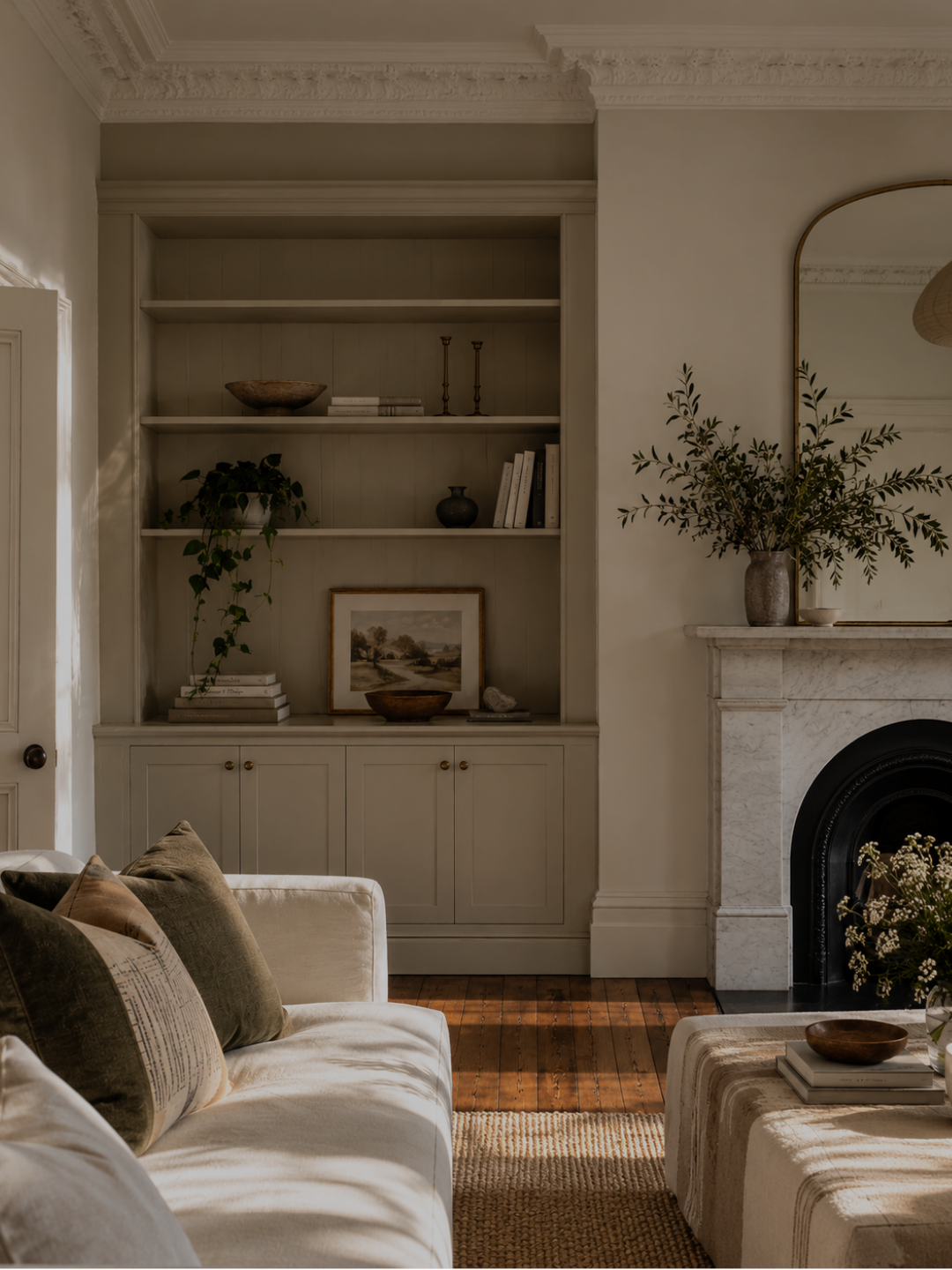
The furniture layout is particularly important. A generous open-plan room can feel surprisingly awkward if the furniture hasn't been properly considered, whereas a carefully planned space can accommodate several different activities without feeling crowded.
Then there's the connection to the outdoors.
In Australia, we're fortunate to enjoy a climate that gives us plenty of opportunities to entertain outside. For acreage homes in particular, I love considering how the kitchen and dining areas might connect to a courtyard, verandah or outdoor dining space, with the landscape becoming part of the experience.
On character-home renovations, there's often an opportunity to create that connection through a thoughtfully designed rear extension, while retaining the architectural details that make the original home so special.
Of course, we also need to think about the home when there aren't guests around. An entertaining space still needs to be comfortable, practical and appropriately proportioned for everyday family life.
And perhaps that's what I enjoy most about designing these spaces: finding the balance between making a home beautiful for the occasions we look forward to, and making it work equally well for everything in between.
02 FIVE DESIGN DETAILS
Five things we consider when designing spaces for entertaining.
01 The relationship between the kitchen and dining area
A generous kitchen island and a beautiful dining table can work wonderfully together, but their positioning matters. We consider circulation, serving, seating and how people will move between the two spaces when entertaining.
02 A dining table worth gathering around
I love a substantial dining table, particularly one made from beautiful timber. We consider its size, proportions and relationship to the surrounding furniture, along with seating that's genuinely comfortable enough for a long lunch or dinner.
03 Lighting that changes with the occasion
Good lighting allows a space to work differently throughout the day. We consider task lighting for the kitchen, decorative lighting over the dining table, and softer lighting for the living areas. Dimming and layered lighting make it possible to change the atmosphere without changing the space itself.
04 The connection between indoors and outdoors
For homes with a garden, courtyard or acreage outlook, the relationship between indoor and outdoor entertaining is an important part of the design. We look at door placement, access, shade, furniture arrangements and how the interior materials relate to the outside setting.
05 Somewhere for everything
Entertaining is considerably more enjoyable when the practical details have been thought through. Dedicated storage for serving pieces, glassware and table linens, a well-planned kitchen and sufficient space for preparation and clearing can all make a difference. And there's often an opportunity to incorporate this storage into beautiful custom joinery.
03 SOURCE OF THE MONTH
A handmade piece for the table
This month’s source is a little more personal.
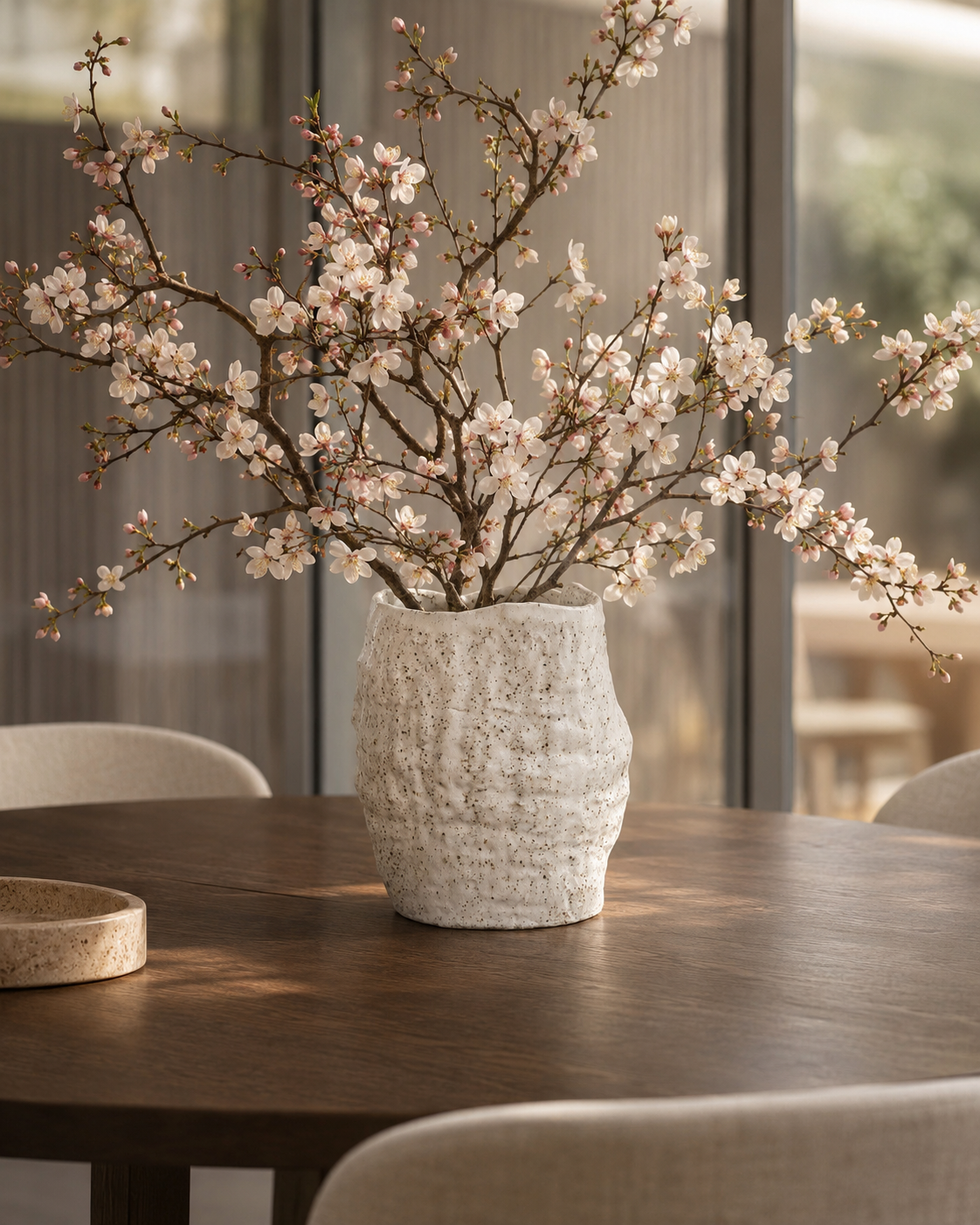
Rather than a piece I’ve sourced for a project, it’s one I made myself at a recent vase and floristry workshop with local maker Eheid Ceramics here in Adelaide.
Using the coil-building technique, I created this sculptural vase, which now has a home on my dining table. I love its irregular form, the textured finish and the way it feels both earthy and considered. Styled with oversized branches, it becomes a simple but striking centrepiece.
I think there is something especially meaningful about living with pieces that carry a story. Not just where they came from, but how they were made, who made them, and the memory attached to them. This one feels particularly special for that reason.
It’s a lovely reminder that the objects we live with do not always need to be perfect or precious to feel beautiful. Sometimes, it is exactly their character and individuality that gives them presence.
If you’re local to Adelaide and love the idea of making something for your own home, Eheid Ceramics is well worth following.
04 FROM THE STUDIO
The build finishes. The design shouldn’t stop there.
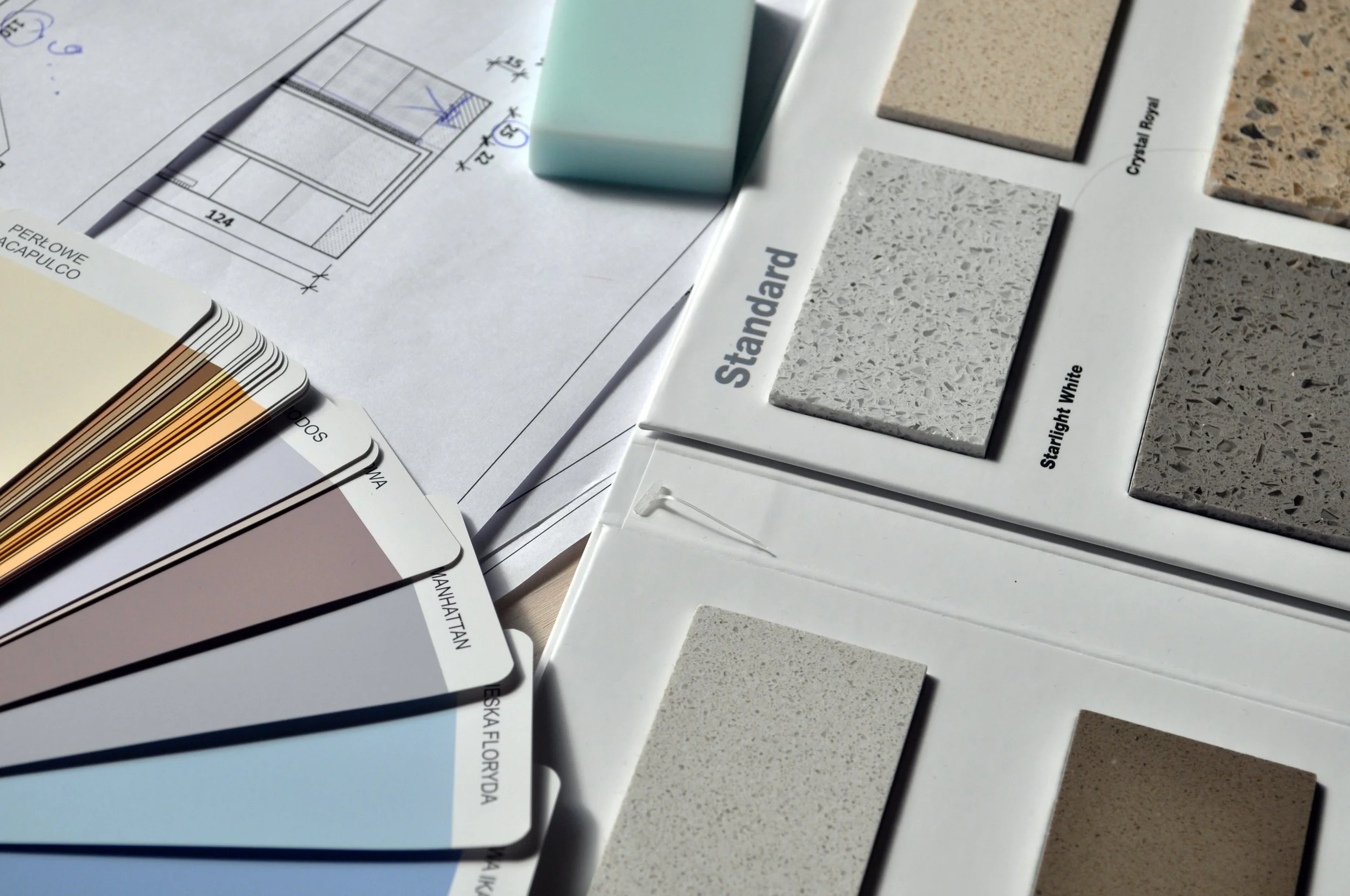
There's an enormous amount of attention given to planning and constructing a home, and understandably so. The floor plan, kitchen, bathrooms, joinery, flooring and lighting all require significant consideration.
But I think the furnishing and final installation stages deserve just as much attention.
When we're engaged for full-service interior design, we're thinking about these elements from the beginning, not waiting until the builder has handed over the keys.
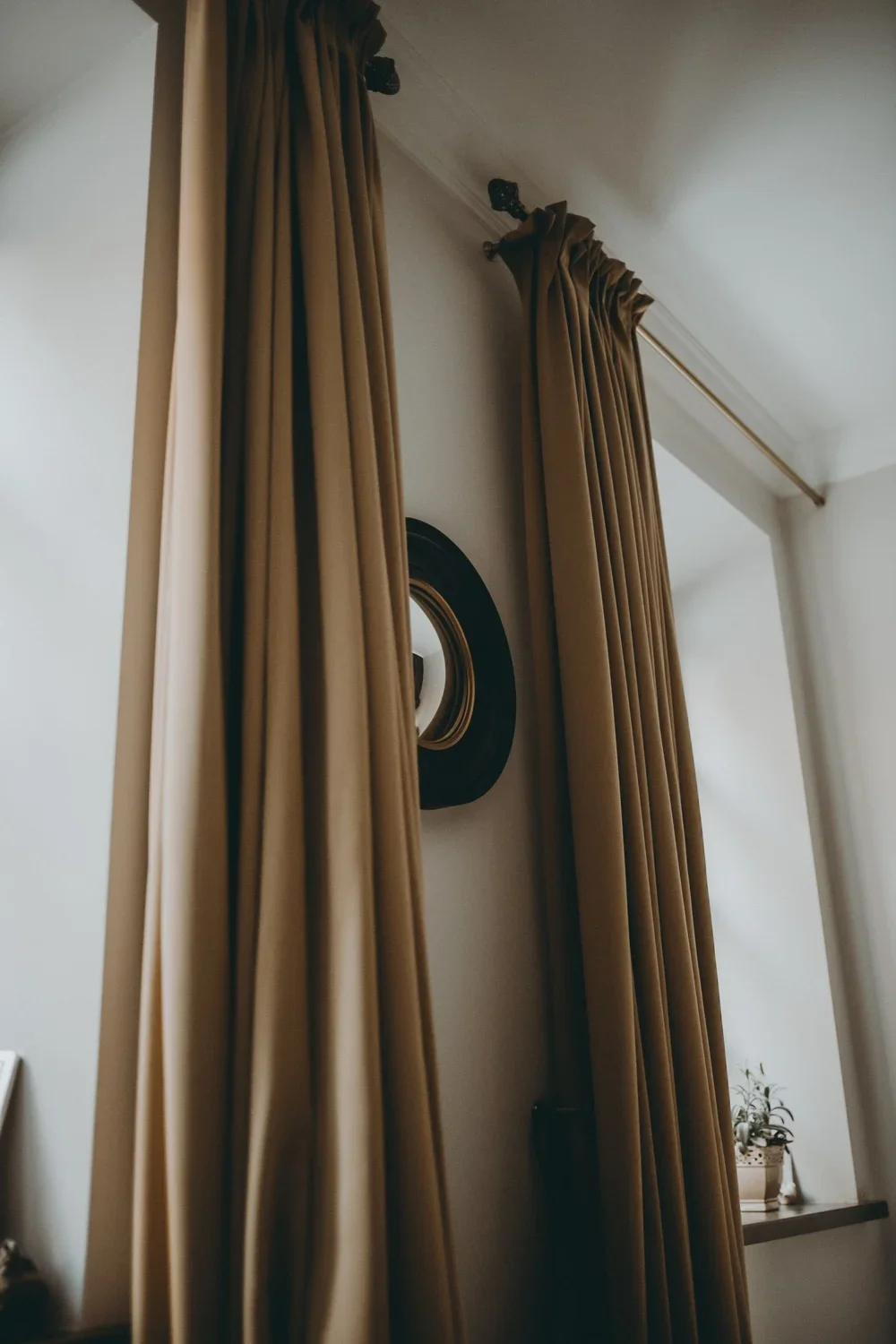
We consider how the furniture will sit within the architectural plans, the dimensions of each piece, the window furnishings, artwork, lighting and all of the elements that need to work together.
For entertaining spaces, that might mean sourcing a dining table in the right dimensions, commissioning custom joinery, selecting chairs and lighting, or incorporating an antique sideboard that brings something different to a newly built home.
There's also the practical side: ordering, managing lead times, coordinating deliveries and arranging installation.
It's work that requires careful planning, particularly when multiple suppliers and trades are involved.
And it's part of the experience we want our clients to have with Young & Co. The opportunity to enjoy the creative process, make informed decisions and have someone overseeing the details through to completion.
A beautiful note to your inbox.
Receive each edition of The Edit, personally written and thoughtfully curated by our Creative Director, Amy.
Published monthly, no clutter, no constant emails, simply one considered edition delivered to you once a month.